How to Spot Fake LEGO Sets and Minifigures: A Buyer's Guide
Fake LEGO is everywhere online. Here's how to spot counterfeit sets and minifigures, what to check before you buy, and how to protect yourself as a collector.
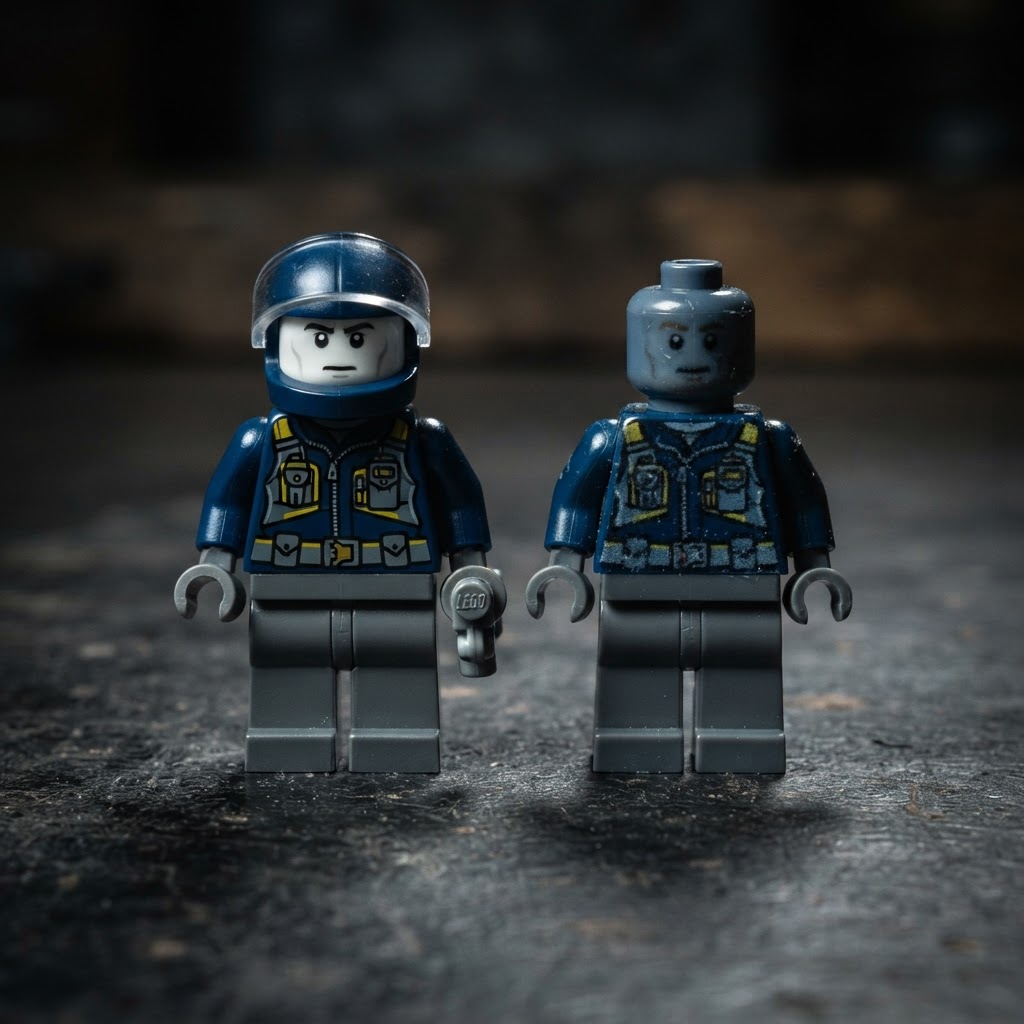
Few things are more disheartening for a collector than opening a delivery, holding a minifigure or set in your hands, and suddenly realising that what you bought is not genuine LEGO. As the secondary market for retired sets and rare minifigures has grown over the past decade, so too has the market for counterfeit items.
When Paul and I set up The Rare Brick, establishing strict authentication standards was our top priority. Having used LEGO building as a crucial part of my recovery after returning from military service in Afghanistan, I know how much quiet joy and emotional connection these bricks bring to people. Paul, coming from a financial planning background, treats authenticity with the exact same rigour you would expect when evaluating any valuable asset. Neither of us can stand seeing passionate collectors get burned by dishonest online listings.
Counterfeit LEGO, often sold under names like clone bricks, custom knock offs, or unbranded building sets, ranges from blatant cheap imitations to dangerously convincing high end fakes. If you buy second hand sets on online marketplaces or auction sites, knowing how to verify authenticity before spending your hard earned money is essential.
Here is our comprehensive guide to spotting fake LEGO sets and minifigures, based on years of inspecting thousands of bricks and figures.
The Ultimate Test: Look for the Official Logo
Every genuine LEGO element, no matter how tiny, carries the official brand mark. The LEGO Group moulds its trademarked logo directly onto the plastic of virtually every piece it manufactures.
On Standard Bricks: Look closely at the top of the studs. Every single stud on a genuine brick features the classic LEGO logo embossed clearly in the centre. On fake bricks, the studs are either completely blank, feature numbers, or bear a subtle alternative brand name.
Inside Tubes and Undersides: Turn the brick over. Genuine bricks feature tiny mould numbers, part identification codes, and clear LEGO logos inside the bottom tubes or along the inner side walls.
On Transparent Elements: Even clear windscreen elements and transparent studs carry microscopic LEGO logo markings along their edges or inner attachment points.
If you are examining a piece and cannot find the logo on any stud or internal surface, it is almost certainly a clone or counterfeit.
Inspect Plastic Quality, Feel, and Clutch Power
Genuine LEGO bricks are made from high grade ABS plastic, manufactured to tolerances as tight as ten micrometres. That extreme precision is what creates the satisfying, consistent clutch power that holds builds together while allowing them to be taken apart without damaging your fingers.
Counterfeit bricks are almost always made from cheaper, inferior plastics. Keep an eye out for these sensory red flags:
Unusual Sheen or Texture: Fake bricks often look excessively greasy or dull, with uneven surface reflections.
Visible Mould Lines and Flashing: Counterfeit manufacturing leaves crude seam lines, sharp plastic ridges, or plastic burrs along the edges of bricks.
Inconsistent Clutch Power: Fake bricks will either feel loose and fall apart easily under slight pressure, or feel brittle and lock together so tightly that separating them requires serious force.
Colour Inconsistencies: Genuine LEGO maintains strict colour standards. If you notice slight shade variations between two bricks of the same supposed colour, or if the plastic looks thin enough for light to pass through easily, be extremely cautious.
How to Authenticate Minifigures
Because rare minifigures can command high prices on the secondary market, they are the single most targeted category for counterfeiters. Spotting a fake minifigure requires a methodical, piece by piece inspection.
Always disassemble the minifigure into its core components and check the following areas:
The Neck Stud: Look directly at the top stud on the torso. A genuine LEGO torso will have the official logo clearly stamped on top of that small central pin.
Inside the Head: Look inside the bottom neck hole of the head piece. You should see a tiny LEGO logo or copyright mark stamped inside the hollow stud or on the inner rim.
Between the Legs: Pull the leg assembly away from the torso. Look at the top surface of the hip piece between the two leg attachment pegs. Genuine figures feature microscopic LEGO lettering along that central ridge.
Printing Precision: Genuine printing uses precise pad printing techniques. The lines are sharp, crisp, and durable. Fake figures often rely on cheap UV printing or poorly aligned decals that feel raised, sticky, or scratch off easily with a fingernail.
Be particularly careful when purchasing highly sought after figures such as rare Star Wars bounty hunters, classic Castle knights, or convention exclusives. If a deal for a rare figure seems suspiciously affordable, it is almost always a replica.
Box Art and Packaging Red Flags
If you are buying a sealed set, the box itself offers plenty of clues before you even look inside:
Missing Main Logo: Counterfeit manufacturers often copy set designs and graphics almost identically, but omit the red and white LEGO logo in the top corner to skirt copyright filters on major ecommerce sites.
Altered Set Numbers and Font Styles: Pay attention to typographical errors, unusual box dimensions, or blurred graphics indicating a scanned and reprinted box.
Stock Photos in Listings: When buying pre owned sets online, always demand photos of the actual item in the seller's possession rather than relying on clean promotional images.
Safe Buying Practices for Collectors
Protecting yourself against counterfeit items comes down to buying from the right sources and asking the right questions:
Always ask second hand sellers for clear, high resolution close up photographs of the minifigure neck studs and brick markings before committing to a purchase.
Be extremely wary of unverified overseas listings offering rare retired sets at eighty percent below market value.
Purchase from dedicated, specialist sellers who personally inspect and guarantee the authenticity of every single item they catalogue and sell.
Shop Certified Authentic at The Rare Brick
At The Rare Brick, authenticity is not just a policy, it is our promise to the community. Every retired set, individual minifigure, and replacement piece in our shop undergoes a rigorous hands on verification process before it reaches our inventory shelves.
You should never have to second guess the legitimacy of your collection. Explore our wide selection of 100% genuine retired sets and rare minifigures today at https://therarebrick.store and build your collection with complete confidence.